

Green Wilderness Lodge
Lake Mattagami · Gogama
A northern cabin base for an autumn stay.
Lake Mattagami · Gogama
A northern cabin base for an autumn stay.


Dog Lake · Missanabie
Waterfront cabins and time in the North.


West Shining Tree Lake
Ask about a fall fishing and small-game stay.
Ontario grouse & partridge hunting · Autumn at camp
Boots by the door. A map on the table. A good day waiting in the woods.
Choose your region →

From our original camp notes
If there's a quintessential outdoor experience, walking Ontario's uplands on a crisp autumn day might be it. A bird hunter would be hard pressed to find a place filled with more beauty, variety or promise. Depending on location, a hunter could flush ruffed, spruce or sharp-tailed grouse, or Hungarian (gray) partridge, pheasant, woodcock, snipe or ptarmigan.
In Northern Ontario, a partridge hunt usually means a walk for ruffed grouse. It is the camp name many of us grew up with. This site covers Ontario grouse and partridge hunting together, while keeping the birds' full names clear. Ruffed grouse are woodland birds; gray, or Hungarian, partridge are a separate species. Start with the bird, then choose the region, camp and daily route that fit your trip.
Upland gunning is steeped in tradition, at its best in the company of an eager dog, a favourite shotgun and likeminded companions. In Ontario, though, it can also be a solitary trek along logging trails that meander past beaver meadows, evergreens, birch, aspens and sumac. It could be the surprise rise and whir of a woodcock at your feet, or the sudden flight of a ruffed grouse from under the nose of a seasoned dog.
A day afield might take a hunter through the stillness of a spruce stand or the nostalgia of an abandoned farmstead. For the truly adventurous, it might even be a walk north of the treeline for ptarmigan.
A fast-pointing, open-choked shotgun in 12 or 20 gauge is a familiar upland choice. There's little room or time in the thickets and birches. Sometimes falling leaves and a disappointed gun dog are all there is to show from an encounter. Other times, there's fine table fare and the recollection of everything done just right. Match equipment and ammunition to the bird, location and current rules before hunting.
In general, upland birds are dwellers of second-growth woods. Living in dense thickets beside fields, burns or meadows, they're often close to a thick coniferous stand or a tangle of alders, and close to food. The crop contents of the day's first bird can offer a clue to what it has been eating. Upland game birds key in on specific food and habitat. So should you.
When flushed, upland birds can rise from total camouflage, in a flight that gains altitude quickly, levels off and heads away. In open fields, hunters can be misled. These birds are quicker than you first think. Give yourself time to learn the bird, read the woods and enjoy the walk.
Read the ruffed grouse and partridge guide → · Compare gray partridge →
Name notes: Hinterland Who's Who · Northern Wilds
From the grouse notebook
A ruffed grouse makes its drumroll with wings moving through air. It does not beat the log.
Extensions along a ruffed grouse's toes help it move over soft snow.
A spruce grouse's crop can hold food weighing up to about ten percent of its body weight.
Read the sources: Cornell Lab: how ruffed grouse drum ↗ · Hinterland Who's Who: ruffed grouse ↗ · Cornell Lab: spruce grouse guide ↗
Choose your camp country
Grouse and partridge hunting across Ontario, with more time in the North. Pick a base, then make the daily route your own.
From the field shelf
Ruffed, spruce and sharp-tailed grouse, plus woodcock and other upland birds.
Compare the bird photos →Young woods, food and shelter. Learn what to notice before choosing the next walk.
Open the habitat guide →The rules, the route and the kit. Get the small details settled before leaving camp.
Plan the trip →Pull up a chair
Bird biology, nesting, first trips and autumn weeks at camp.
Camp journal · October 11, 2026
Food, drumming and winter shelter. Meet the bird behind the autumn flush.
Read the post →Camp journal · October 11, 2026
Needles, a winter food system and a life among the northern evergreens.
Read the post →Camp journal · October 11, 2026
The ground nest, the patient hen and the tiny chicks learning the woods.
Read the post →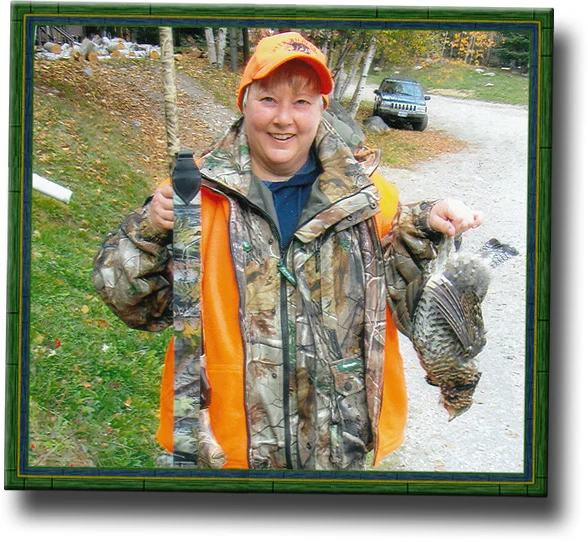
Camp journal · October 11, 2026
A clear base, a modest first walk and the questions to ask before booking.
Read the post →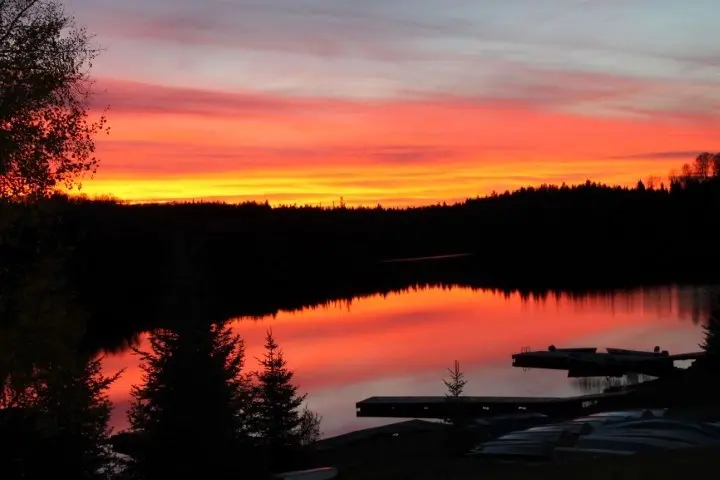
Camp journal · October 11, 2026
Leave room for the woods, camp meals and a comfortable pace through the week.
Read the post →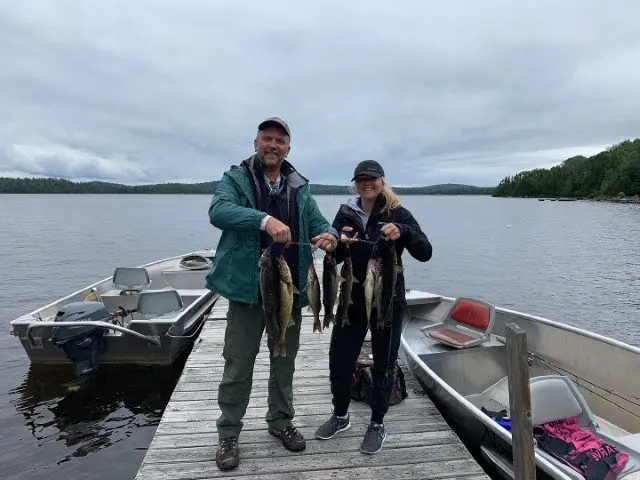
Camp journal · October 11, 2026
Give the land and water outings their own checks, then bring the week together.
Read the post →A few camp questions
In northern camp talk, partridge often means ruffed grouse. Gray or Hungarian partridge is a separate species. Use the full bird name when checking identification, seasons, limits and your trip plans.
No. Check the species rules, wildlife management unit, land access and any local restrictions for your actual destination.
They are different species. Study the field marks and current rules before the trip. Our bird guides link to identification resources.
Check with the camp before booking. Green Wilderness Lodge currently states that dogs are not allowed. Ask other camps about their current policies.
Download the two-page PDF from the trip-planning page. It includes a day kit, camp supplies, dog supplies and a trip sheet.
Pull up a chair
A window into Ontario lodge and camp country.